
Electric boilers for hot water only?
Electric boilers for hot water only?
In the world of home heating, terminology matters. As a heating supply company, we frequently encounter confusion between “electric boilers for hot water only” and standard electric domestic hot water heaters. This misunderstanding can lead to incorrect purchases, poor system design, and costly mistakes. Let’s clear the air once and for all.
Electric water boilers
Electric water boilers are domestic hot water heaters using electricity to heat water for your hot water demands with 100% energy efficiency .A hot water system only.
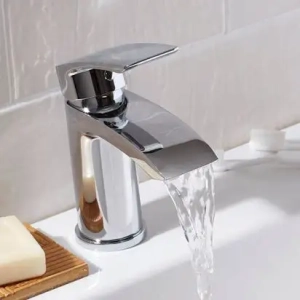
Domestic hot water for sanitary use.Washing or bathing use.
Electric boilers are for heating – these are used for a wet central heating system and can also produce DHW via an indirect cylinder,i.e. heating and hot water
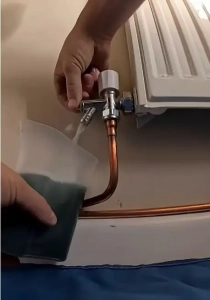
Heating quality water from a wet central heating system.This is not potable water quality
The Confusing Middle Ground: “Electric Boilers for Hot Water”
This term is technically misleading and causes significant confusion in the industry. Here’s why:
What People Usually Mean:
- An electric water heater (as described above) that they intend to use for Domestic Hot Water only.
- An electric boiler for a wet central heating system can can also be used for DHW generation via an indirect cylinder.
The Fundamental Distinction: Purpose Determines Everything
Electric Domestic Hot Water (DHW) Heaters
These are exactly what their name suggests: appliances designed exclusively to provide hot water for taps, showers, baths, and appliances. They have no connection whatsoever to your central heating system.
Types Include:
- Instantaneous Water Heaters: Heats water on demand (e.g., electric showers, sink-top units).These have an “A” rated water heating efficiency rating.We have a full range of electric instantaneous water heaters.
- Storage Water Heaters: Includes unvented cylinders, vented cylinders, and point-of-use undersink heaters. The most popular in the UK are direct unvented cylinders.
- Immersion Heaters: Electric elements installed in hot water cylinders
Key Characteristics:
- Single function: Domestic Hot Water only
- No heating circuit connections
- Typically connected only to cold water mains and hot water outlets
- Often include their own temperature controls and safety devices
Example: A 120-litre unvented cylinder with two 3kW immersion elements is an electric water heater—not a boiler, despite sometimes being called an “electric boiler” in casual conversation.
Electric Heating Boilers for Central Heating
These are true electric boilers in the engineering sense: they generate heat for space heating via a water-based (hydronic) system such as underfloor heating or radiators.
How They Work:
- Electric elements heat water within a sealed heat exchanger with the electric boiler
- This heated water is pumped through pipes to radiators, underfloor heating, or fan coils
- The system operates as a sealed pressurised circuit, separate from your drinking water
Key Characteristics:
- Primary function: space heating via wet central heating system
- Include pump, expansion vessel, pressure gauge, and safety valves
- Connect to heating flow and return pipes
- Often include provisions for DHW via an indirect cylinder (except electric combi boiler versions)
Example: A 12kW electric system boiler connected to a heating circuit with 8 radiators and an indirect cylinder for DHW.
With a full range of domestic electric central heating boilers from 0.8kW to 45kW in output.
An Electric Boiler Being Used in a Limited Configuration
A genuine electric heating boiler can be configured to only heat a hot water cylinder via an indirect coil, but this is inefficient overengineering. You’re paying for components (pump, expansion vessel, controls) designed for central heating that you don’t need for DHW alone.
Electric combi boilers
Electric combi boilers supply heating and also produce instant DHW via a suitable heat exchanger built into a compact boiler. We go into full depth on our electric combi boilers options from 4.5kW to 40kW on this dedicated webapge – Electric combi boilers
When to Choose Which System: A Professional Guide
Choose an Electric Water Heater When:
- You only need domestic hot water
- You have an alternative primary space heating system (e.g., heat pumps, solid fuel, gas boiler or oil boilers)
- You’re adding a secondary hot water source (e.g., for a remote bathroom)
- Space is limited and you don’t need heating circuit components
Choose an Electric Heating Boiler When:
- You need a complete wet central heating system for our property
- You’re replacing a fossil fuel boiler with no gas supply/oil available
- You’re installing in a property with existing wet radiator system
- You want combined DHW and space heating from one unit (combi or system boiler configuration)
Common Misconceptions Debunked
Myth 1: “An electric boiler is just a big immersion heater.”
Truth: A true electric heating boiler contains multiple additional components for managing a pressurised heating system that a simple immersion heater lacks.
Myth 2: “I can use an electric boiler just for hot water more efficiently.”
Truth: You’ll have unnecessary components running (pumps, controls) and likely higher standing losses. A dedicated water heater is more appropriate.
Myth 3: “The installation is the same for both.”
Truth: Electric heating boilers require qualified heating engineers for system design and commissioning. Electric water heaters primarily need plumbing and electrical skills.
Myth 4: “They’re all called boilers, so the regulations are the same.”
Truth: Different Building Regulations parts apply (Part G for hot water, Part L for heating efficiency of the UK regulations), and different competent person schemes cover installation.
Conculsion
The bottom line: if you only need hot water at your taps, you need an electric water heater. If you need to heat radiators or underfloor heating, you need an electric heating boiler. Knowing the difference is the first step to an efficient, effective system that meets your needs.


 Flexiheat UK